


June 2026 · Makeup Tips
Glass Skin for Indian Skin: What's Real, What's Filtered, and How to Get There
Glass skin is everywhere online. Let's separate what's real from what's filtered — and cover how to actually get close to it on Indian skin, in India's climate, today.
In This Guide
What Does Glass Skin Actually Mean?
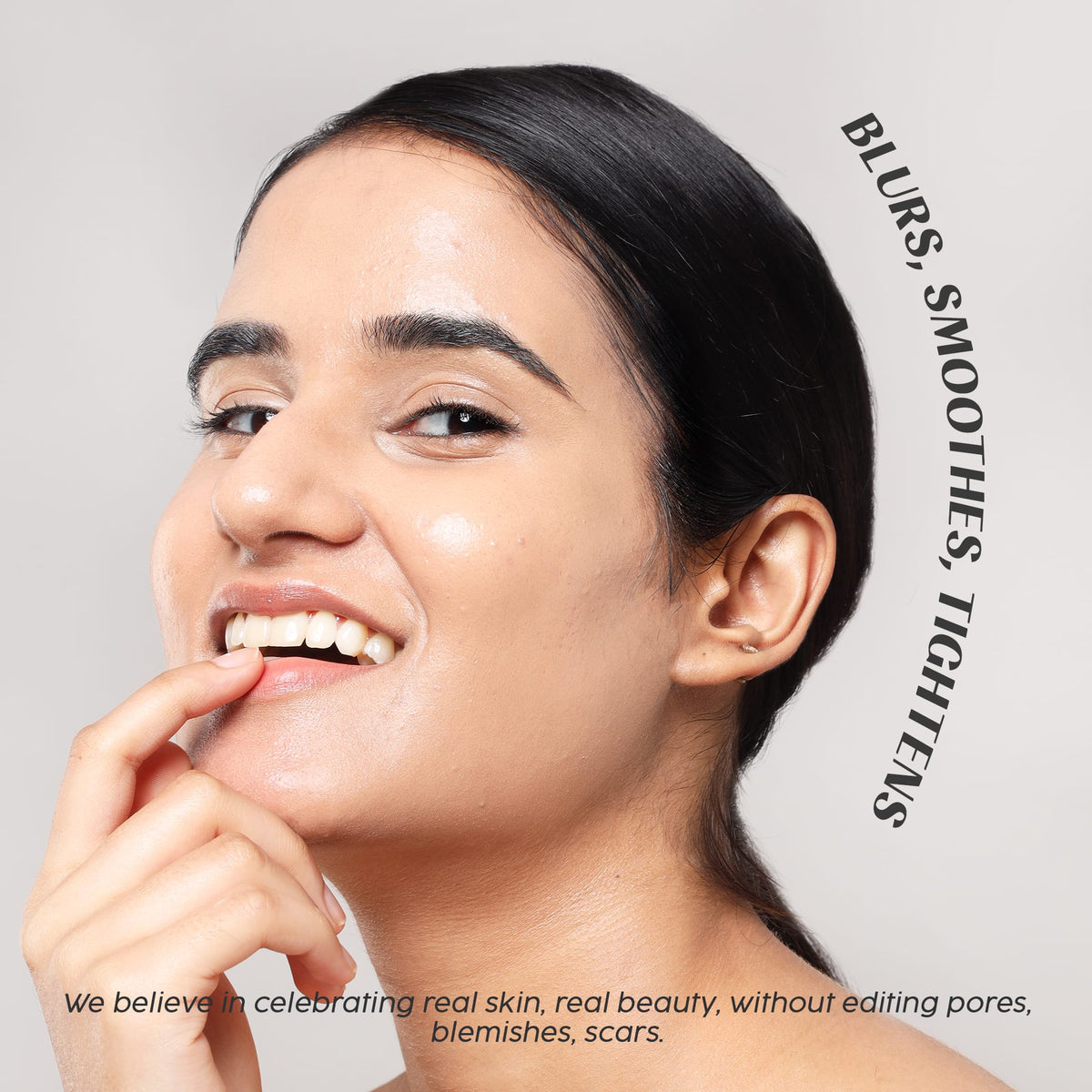
The term comes from K-beauty. It describes skin that is so hydrated, smooth, and even-toned that it appears almost translucent, reflecting light the way glass does. It is not about shimmer or glitter. It is about skin that looks genuinely healthy from the inside.
The original Korean approach was a skincare-first philosophy: 10 steps, expensive serums, and months of consistency. That is one way to get there. But it is not the only way — and for most Indian women with packed schedules, it is not practical.


Why Is It Difficult to Achieve Glass Skin on Indian Skin?
India's climate — heat, humidity, and pollution — works against the glass skin ideal in a few specific ways. Sweat breaks down dewy finishes faster. Pollution causes oxidative stress that dulls the complexion. Humidity can make a heavily moisturised look feel greasy rather than glowy.
Indian skin also tends to deal with hyperpigmentation more than other skin types. Sun exposure, post-acne marks, and melasma are common concerns. Glass skin requires an even, clear base that is harder to achieve without first addressing these.
None of this means glass skin is impossible. It means the approach has to be adapted for Indian skin and Indian conditions.
The Realistic Version of Glass Skin for Indian Skin
True glass skin — the kind that looks like that in unfiltered daylight — takes consistent skincare over weeks. But a glass skin finish using the right makeup? You can achieve that today.
The key is the base. A luminous, lightweight skin tint is the makeup equivalent of glass skin. Not a heavy foundation that creates coverage, not clarity. A skin tint enhances what is already there, adds a dewy finish, and lets your skin breathe. That is the glass skin effect.
The Makeup Routine for Glass Skin on Indian Skin
Moisturised Base
Apply a lightweight, fragrance-free moisturiser and let it absorb. Well-hydrated skin takes on a natural plumpness that is the foundation of any glass skin look. Skip this step, and even the best skin tint will not sit right.
SPF
SPF is non-negotiable in India. Use a light, non-greasy formulation. The Face Anything Skin Tint includes SPF 25, which simplifies this step — your base and sun protection happen together.
Skin Tint, Not Foundation
Apply the Face Anything Luminous Skin Tint with clean fingers. Work from the centre of your face outward. The formula contains hyaluronic acid for plumping, niacinamide for even tone, and goji berry extract for antioxidant glow. The finish is luminous — not glittery, not wet-looking, just genuinely glowing. The 10 shades are specifically developed for Indian skin tones, with warm undertones rather than the cool-pink formulas made for Western skin.
Targeted Concealer
Under the eyes and on specific spots only. Keep it light. You are not building a full coverage look — you are enhancing what is already there. The Zoom In Concealer blends smoothly without creasing, which keeps the glass skin finish intact.
Highlight the Right Points
A liquid highlighter applied lightly on the cheekbones, bridge of the nose, and inner corners of the eyes creates the reflective quality that makes glass skin look glass-like. The Starry Night Pearly Glow Liquid Highlighter delivers this — it is buildable, so you can keep it subtle for daytime or amp it up for evenings.
No Powder
Setting powder kills the glass skin look. If you have oily skin and need to control shine, blot gently on the T-zone only and leave the rest of your face dewy.

Starry Night Pearly Glow Liquid Highlighter
Pearl-infused, not glitter-packed. Starry Night does not settle into pores or fine lines — it lights skin up with a rich, radiant glow that is transfer-proof and smudge-proof once applied. Available in 4 shades curated for Indian skin tones.
Shop Highlighter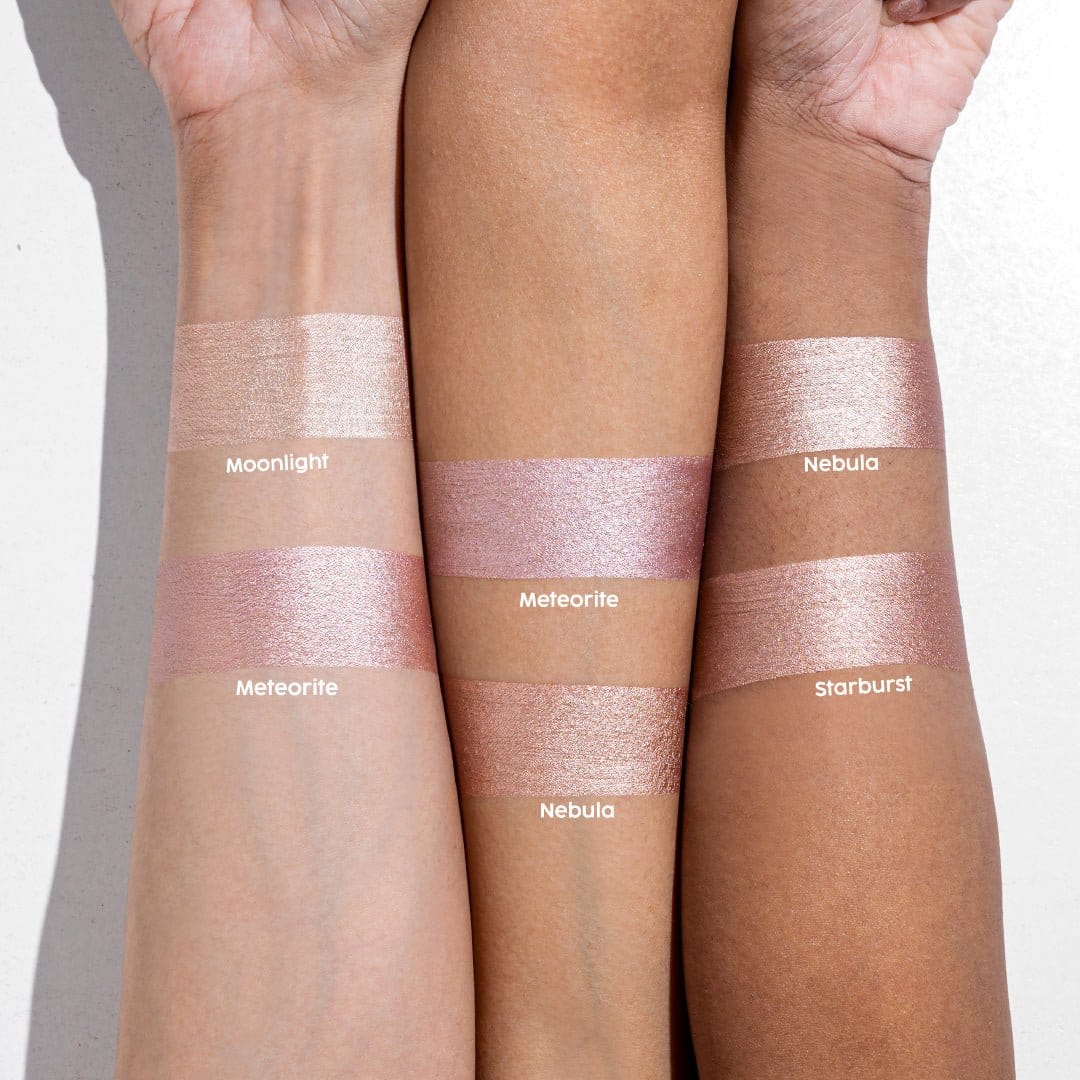
Can Oily Skin Achieve Glass Skin?
Yes — and oily skin actually has an advantage. It naturally produces luminosity. The trick is to channel that shine rather than fight it. A non-comedogenic skin tint and blotting on the T-zone when needed will give oily skin a controlled glass finish without looking greasy.
The Honest Answer About Filters
Most glass skin content on social media involves filters, ring lights, and photo editing. The translucent, poreless look you see on influencers does not exist in daylight without serious retouching. What you can achieve — and what genuinely looks beautiful in real life — is skin that is healthy, hydrated, and luminous. That is the realistic glass skin goal for Indian skin. And it is worth having.
Shop the Glass Skin Edit
Frequently Asked Questions
Do I need a 10-step skincare routine for glass skin?
No. Consistent moisturising, SPF, and the right makeup base will give you a glass skin finish without an elaborate skincare routine. The skincare underneath should be hydrated, not flawless.
Can I get glass skin without a highlighter?
Yes. A luminous skin tint on well-moisturised skin gives you a low-key glass skin effect on its own. The Face Anything Skin Tint is designed for exactly this. Highlighter amplifies the result, but it is not mandatory for a natural version of the look.
What is the difference between glass skin and dewy skin?
Glass skin is a specific version of dewy skin — it has more clarity and luminosity. Dewy skin just means any finish that is not matte. Glass skin has that specific lit-from-within reflective quality.
Does glass skin work in Indian humidity?
With the right products, yes. Use a water-based, non-comedogenic skin tint rather than a heavy cream or foundation. The Face Anything Skin Tint is formulated to sit comfortably in India's climate without melting or going patchy.